Beyond the Books

Leaving the Swamp

The World Beyond the Swamp

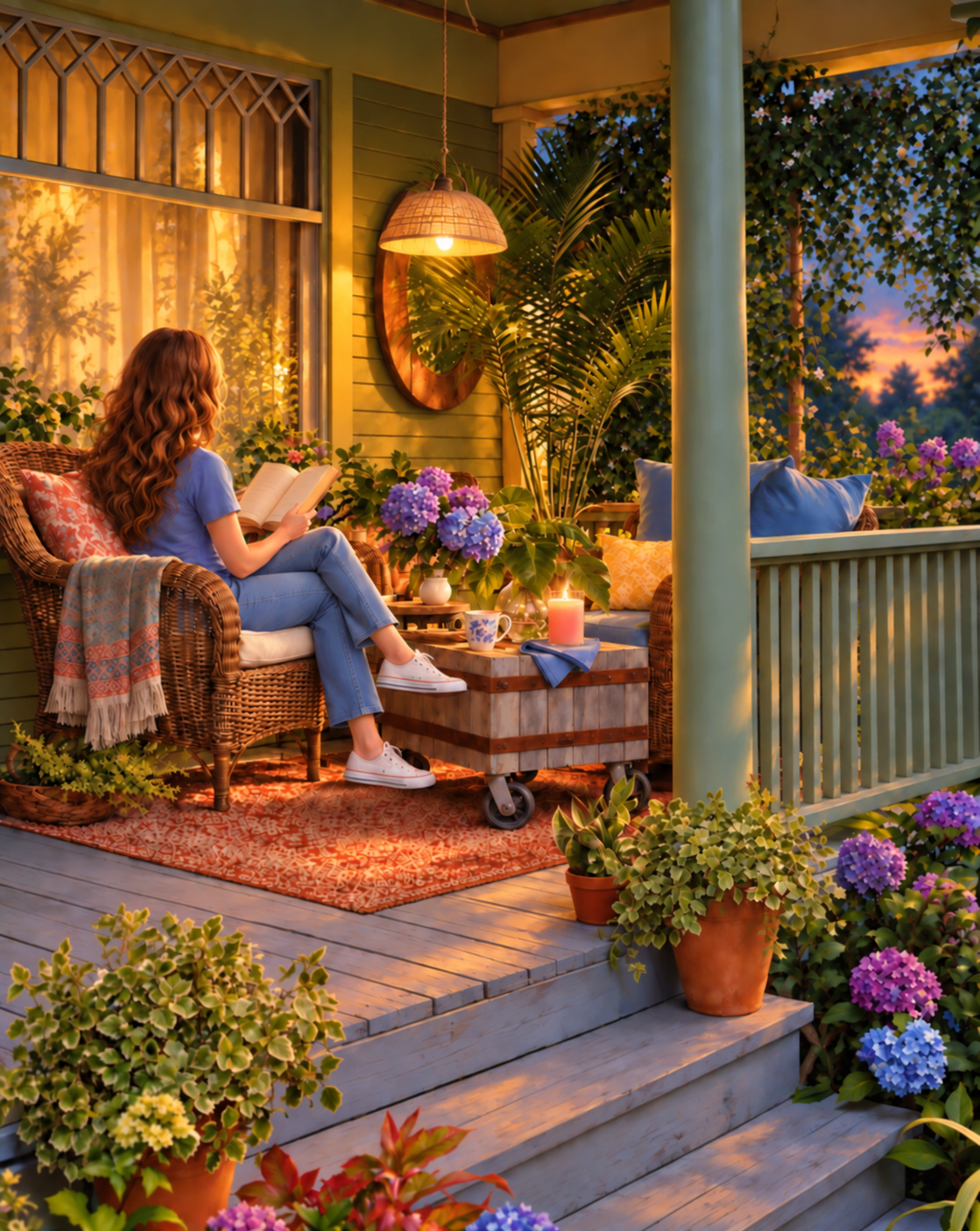
“I read it in the evenings, sitting on the warped wooden steps outside our house, where the mosquitoes were less aggressive and the sky opened just enough to let in a suggestion of stars.”

Some of my earliest memories are from the Great Dismal Swamp of North Carolina, where I lived until I was five. I didn't have many toys, and I don't remember having any in my bedroom. What I did have was a cotton bag that hung from the post of my bed near the window. It was filled with books.

I still remember Danny and the Dinosaur among them.

The swamp is where I learned to read, but I think it is also where I learned to daydream. Books taught me very early that the place where I happened to be wasn't the only place available to me. There were other houses, other towns, other kinds of people and other ways a life might unfold. All I had to do was open a book.

I didn't consciously give that part of myself to Elise when I wrote Leaving the Swamp. But I recognize it in her now. When she begins collecting books, she isn't only looking for stories. She is discovering that the world is wider than the life she has known—and, eventually, that her own life might be wider too.
They See Farther

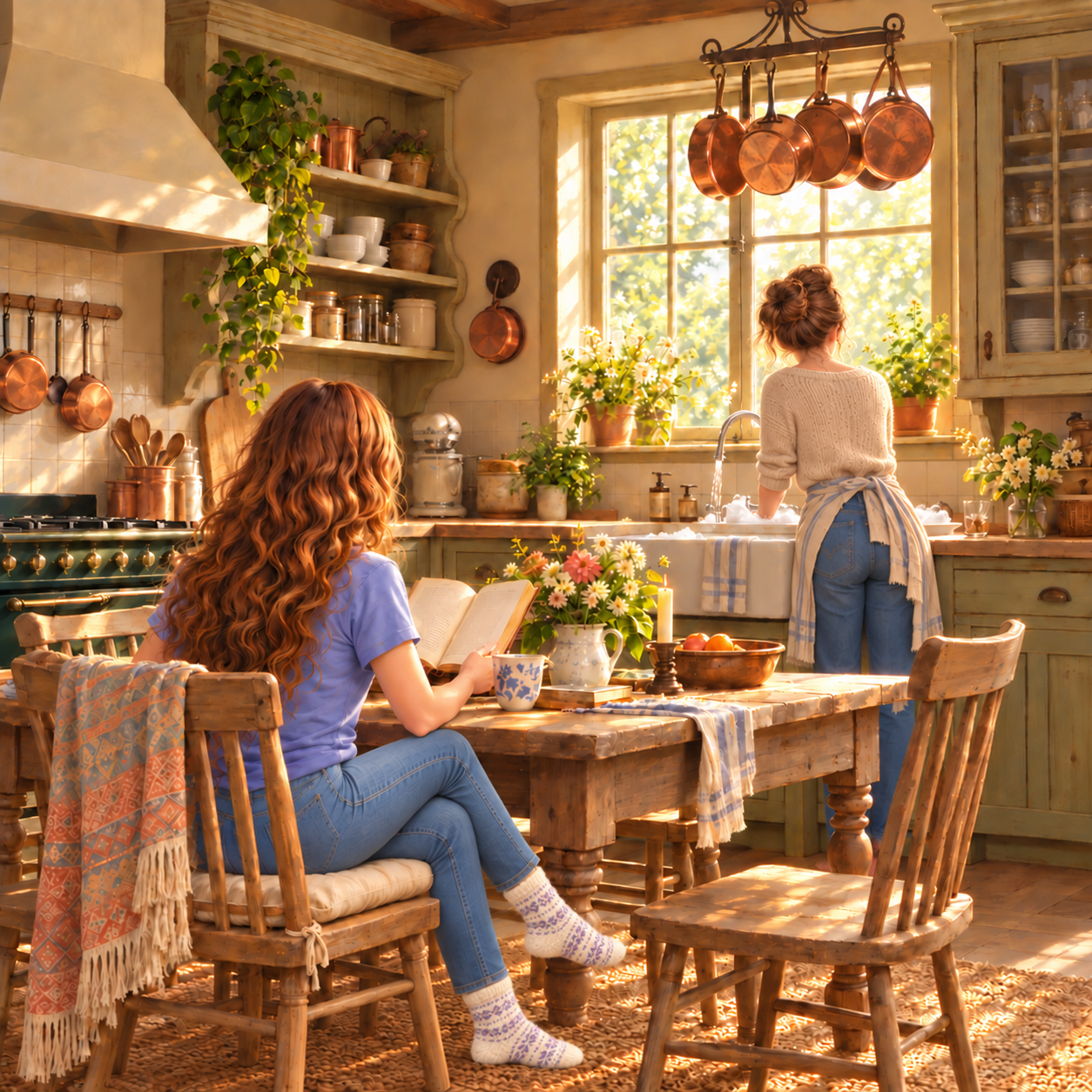
"My mother stood at the sink with her back to me, rinsing dishes that were already clean. “'I don’t know how your eyes stand all that reading,'” she said, not turning around." — Leaving the Swamp

Elise's Mom and mine could not have been more different when it came to reading.

When I was little, there were alphabet magnets on our refrigerator door. Inside was a shelf that belonged only to me. If I used the magnets to spell a word, I was allowed to choose something from my shelf without asking. I don't remember everything my Mom kept there—probably grapes, apple slices, and cheese. I do remember a jar with peanut butter and jelly arranged in vertical stripes. I didn't particularly like jelly, and ordinary peanut-butter-and-jelly sandwiches didn't interest me. But there was something about that striped jar that made them different, so I ate those.

My Mom never warned me that reading too much would keep me from seeing what was in front of me. She encouraged it. And she never told me I was too old to begin something. In fact, she's spent my life reminding me that I wanted my own apartment when I was five.

I think that's part of why I understand Elise's answer to her mother: “They see farther when I read.” But unlike Elise, I didn't have to discover that possibility in spite of my Mom. Mine was one of the first people who taught me to look farther.

Permission to Expand

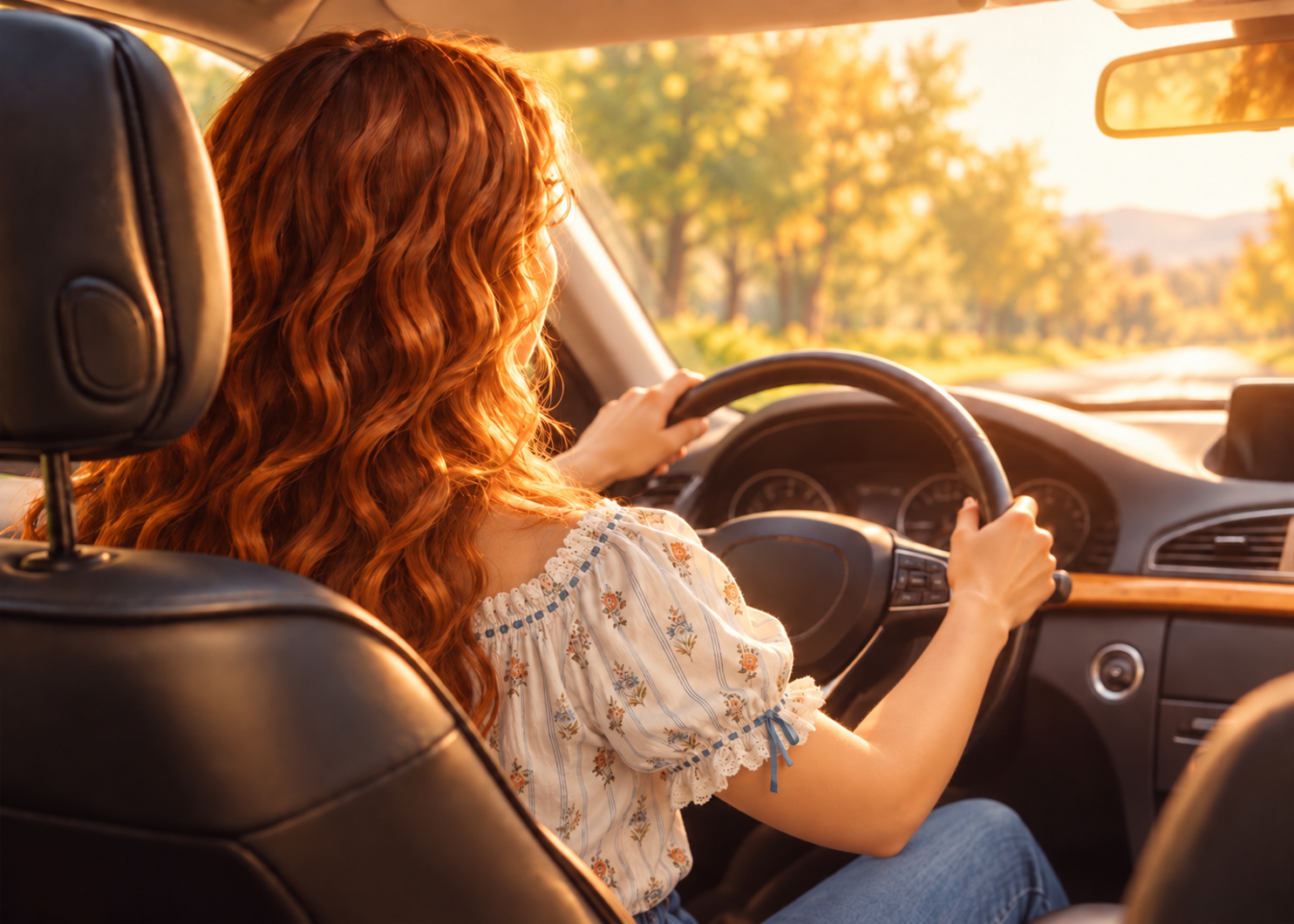
"The drive north took two days. The flat stretch of swamp country disappeared behind me, replaced by hills and winding roads. The air lost its heaviness, and I found myself breathing differently—as though my lungs had been given permission to expand."
— Leaving the Swamp

We left North Carolina when I was five, so you might think I would remember very little about living there. Instead, some of my memories of the Great Dismal Swamp are among the clearest I have.

Before our yard was fenced, I played by myself at the end of the driveway. I made mud pies for my imaginary “husband,” a neighbor who, like my father, was in the Navy. He had a German Shepherd. I remember leaving the pies in the sun and noticed that when they dried, the tops cracked like brownies that my Mom made from a mix.

I remember the light, too. It was different at the end of the driveway than it was near the ditches that ran toward the woods and into the swamp.

Elise leaves the swamp because she needs to discover who she can become somewhere else. That wasn't my experience of leaving it. I was a child, and the decision wasn't mine. But perhaps that's one reason the landscape remained so vivid to me. I left before I was old enough to decide what the place meant.

Decades later, I returned to it in fiction. Elise needed to leave the swamp to find a larger life. I needed to imagine it again to discover how much of it I had carried with me.